

Go beyond Falls Park and experience Greenville, South Carolina, through the lens of Marissa Strang during her visit. From Black history walking tours and public art to Black-owned restaurants and cultural landmarks, uncover the stories and communities that add depth to Downtown, and bring a new perspective to your visit.
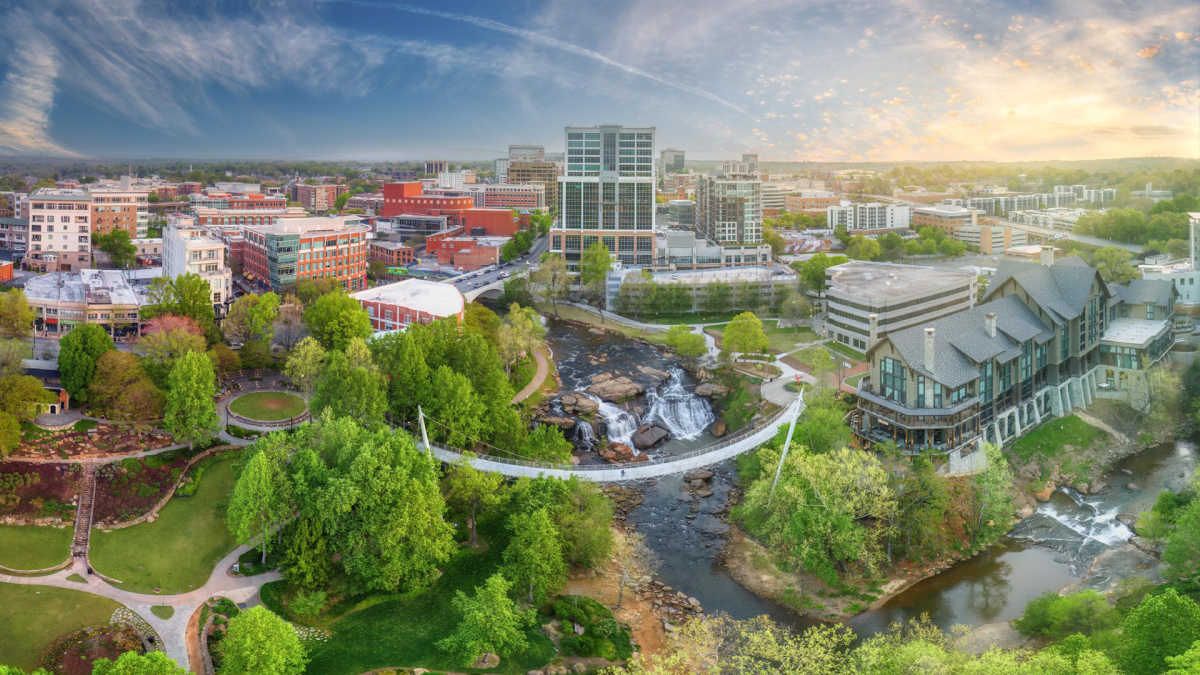
I arrived in Greenville in the late afternoon, just as the light started softening over downtown.
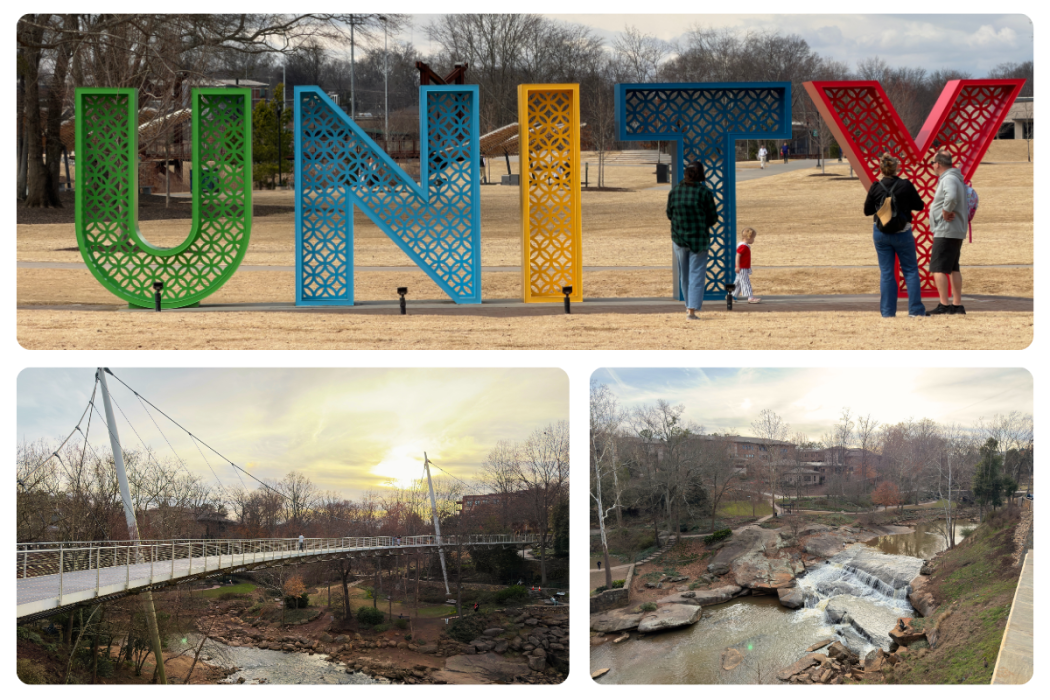
It didn’t take long to understand why people feel drawn to this city. I found myself leaning over the railing of the Liberty Bridge, watching the Reedy River rush by below. The park is full of people taking pictures, walking their dogs, or just staying longer than they planned to take it all in. The soothing sound of the falls can be heard in the trees.
It's a place that's easy to fall in love with. It pulls you in quietly. But just a few blocks deeper into downtown, Greenville starts to feel different.
Stepping away from the river, I joined a small crowd gathered outside City Hall for the Black History in Greenville walking tour. Local historian Kendra Williams began sharing the stories about the people who shaped Greenville - long before the city was included in travel guides or weekend getaway lists.
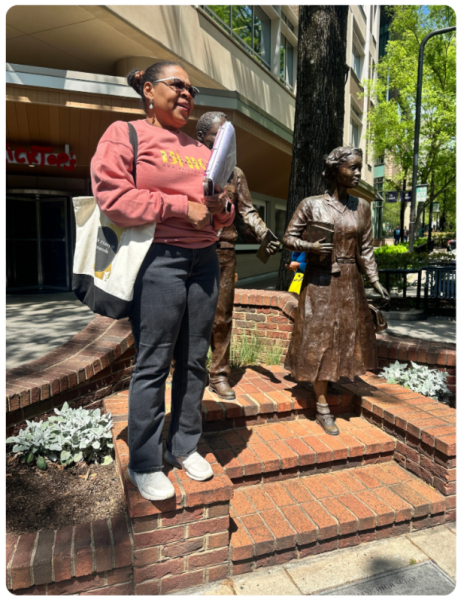
In just a few minutes, the streets started to look different. Greenville's first Black public high school, Sterling High School, used to be just past the tour's starting point. It was more than just a school. It was a source of pride, a place for people to meet, and a center of the community. Jesse Jackson used to walk those halls before he became one of the most famous voices in the civil rights movement. Standing there, it’s hard to reconcile what once filled this space with what stands there now.
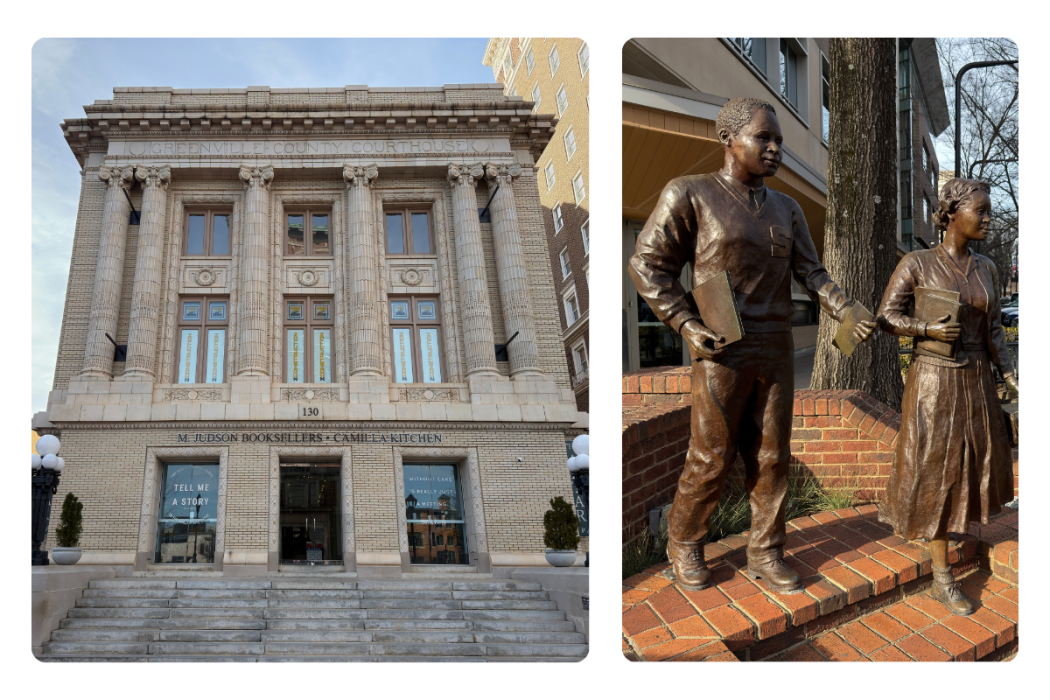
The nearby Greenville County Courthouse hosted one of the largest lynching trials in American history. When you stand there today and watch traffic pass by and office workers come and go from the building, it's difficult to imagine the national attention this location attracted.
By the end of the tour, I could see it clearly: Greenville's downtown is picture-perfect, but there are layers to it, and so many of its stories are still waiting to be told.
Looking into Greenville's history
What I didn’t expect is how walkable everything would feel.
Because Greenville's downtown is so compact, most places are just a short walk away. Everything changes when you stroll through the city with someone who understands its past. The Black History in Greenville tour stops at locations I would’ve easily walked past on my own, without a second thought. A church. A courtroom. A block that used to be a thriving Black business district.
As Kendra Williams explained during the tour, the memorial to Sterling High School often becomes the occasion when people stop taking photos and just listen. Even though the building is gone, its history is still present in the stories shared by longtime residents and former students. I felt it in the stories Kendra shared, especially in the way she spoke about Black elders in Greenville who still reflect on their time at the school.
Along the side of the road, I spotted a dancing statue that almost felt out of place at first. Then I learned it honors Clayton "Peg Leg" Bates, a renowned African-American tap dancer who rose to fame despite losing his leg in a cotton mill accident at just twelve years old.
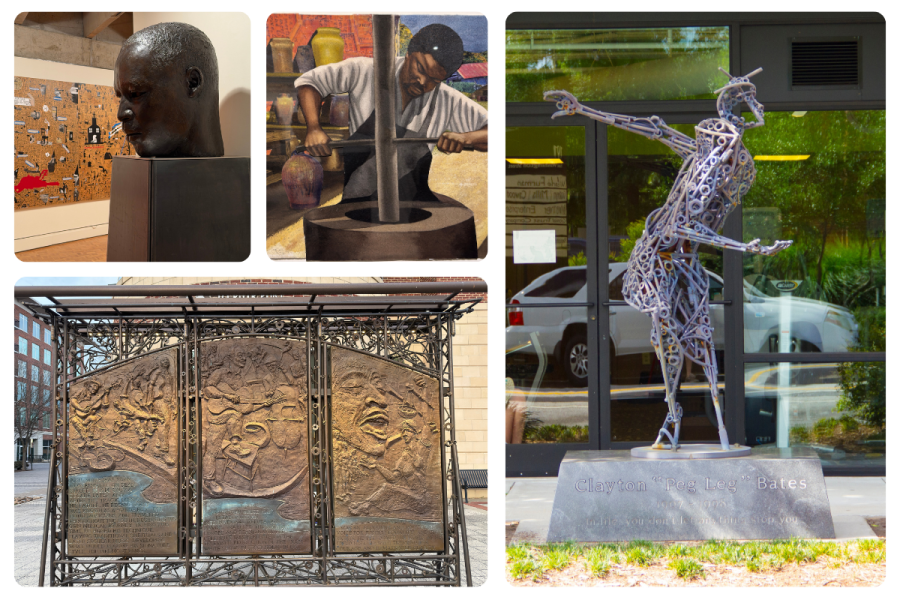
Greenville felt fuller by the end of the walk. More textured. More alive. And as I kept looking, that history doesn't stay in the past - it shows up all over the place.
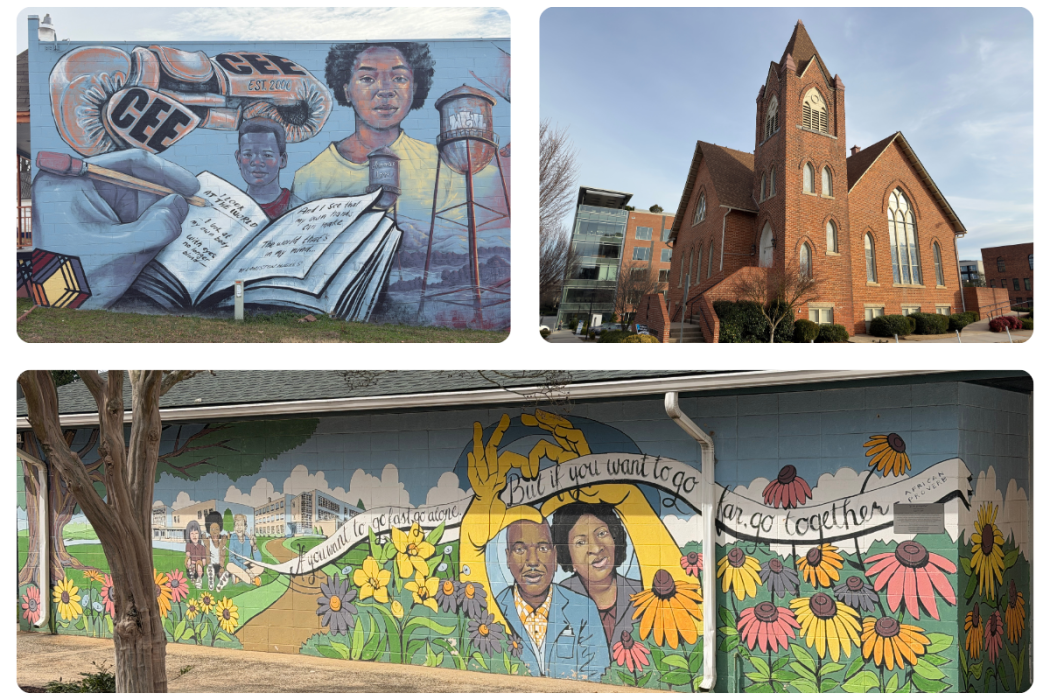
Murals in bright, bold colors cover brick walls and honor Black leaders, artists, and everyday life in Greenville. You can see faces in alleys and side streets, and each one tells a story I might not have known to look for. The storytelling goes on inside the Greenville County Museum of Art, where Black artists show works that deal with identity, memory, and life in the South. All of this together makes it feel like a living gallery, connecting what I’d learned to what I was seeing in real time.
The River That Flows Through Greenville
The Reedy River quietly connects a lot of Greenville's most famous places. The waterfalls at Falls Park show how the city has changed from an industrial center once powered by textile mills to a walkable, people-centered downtown. Unity Park opens up to the west of the river. There are wide green spaces, walking trails, and a place where the city can slow down.
I watched families gather along the riverbank, kids running freely in the grass, while cyclists move steadily along the Prisma Health Swamp Rabbit Trail System. It's the kind of place where time seems to slow down. Its creation also reflects Greenville's attempt to face its past. The local community, which had been uprooted during earlier redevelopment projects, influenced the park's design and mission. Even the name feels intentional. Unity Park was intended to be a location where the city could move forward as a whole while acknowledging its past.
Greenville's Culinary Scene
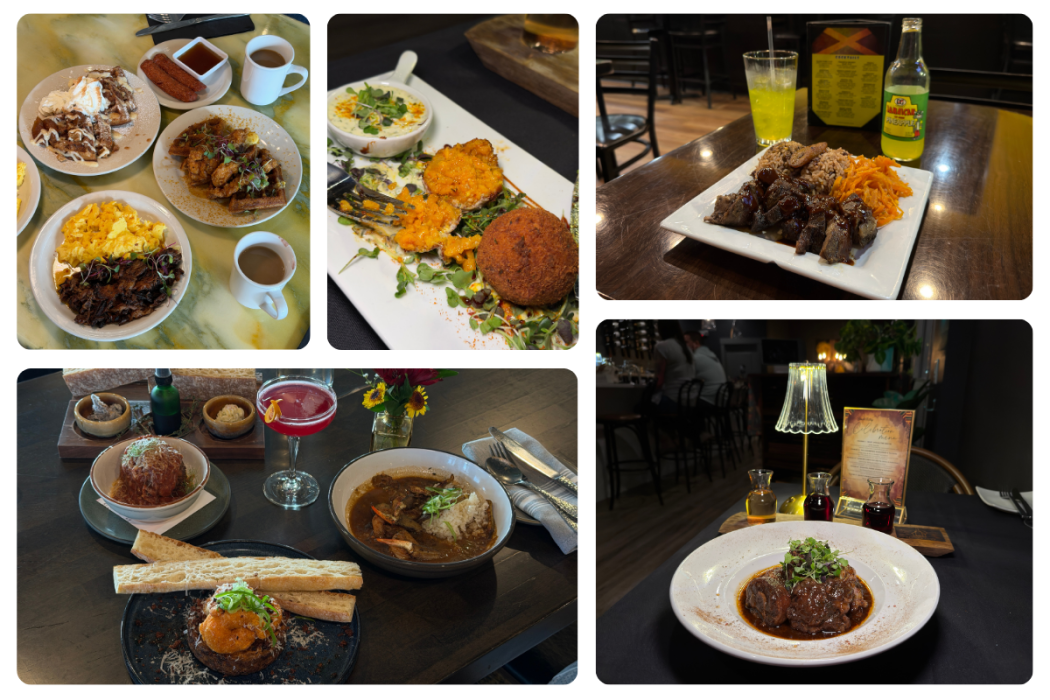
One of the best ways I started to understand Greenville today was through its food. Brunch at CRAVE Greenville is a great place to start. As the city woke up around me, plates of Apple Pie Waffles and Brisket & Eggs arrived at the table.
Later, I stopped by Hone, a nonprofit incubator where chefs can try out new ideas. During my visit, Chef Aquila Kentish of Tasti Plate was in the kitchen, blending Caribbean flavors with Southern traditions in a way that felt both familiar and new.
At Jamaica Mi Irie, I indulged in dishes with strong Caribbean spices. The jerk lamb is a standout: it's smoky, tender, and full of flavor.
I made my way to nearby Greer for lunch at White Wine & Butter, where Chef Michael Sibert brings a New Orleans-inspired flair to Southern comfort food. The savory cheesecake was rich and unexpected, and the seafood gumbo feels like a warm hug.
Nearby, House 509 served something just as memorable. Chef G blends West African and Southern flavors in dishes like jollof-stuffed arancini and oxtail that falls straight off the bone.
The food scene in Greenville is always evolving.
Greenville at Night
As the sun goes down, downtown Greenville slows down and becomes more relaxed. I noticed people lingering on patios, warm light spilling out onto Main Street, and dinner lasted into the night.
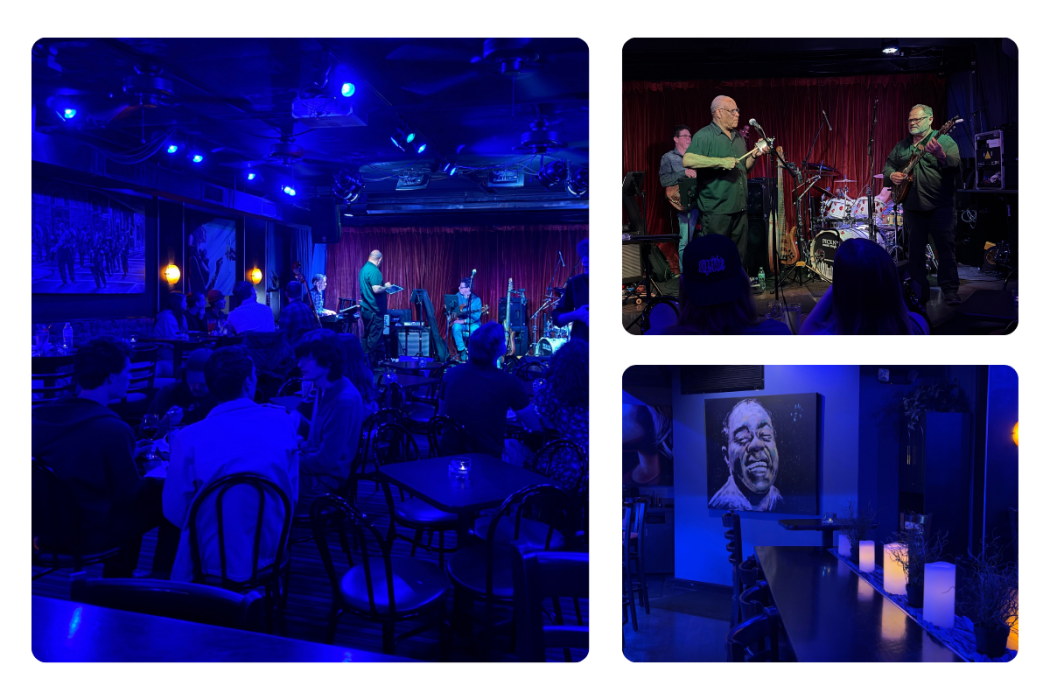
I stopped at Coupe’s Corner, where the vibe felt immediately local. R&B played softly in the background, and people settled in with cocktails and conversation that didn’t feel rushed.
Just down on the waterfront, I followed the sound of live music into Blues Boulevard Jazz. Inside, the space filled quickly with small bands and soulful saxophonists setting the tone for the night.
Greenville’s nightlife scene isn’t loud or over-the-top. It’s an easy-going scene where the day slowly settles into the night.

Marissa Strang
Marissa Strang is a Washington, D.C.–based travel content creator and writer known for her culture-first approach to storytelling. Her work highlights local communities, small businesses, and meaningful experiences that inspire more intentional travel.